Why Is My Floor Sagging? Common Causes in Older Stockton Homes
If you own an older home in Stockton, a sagging floor isn't just an aesthetic complaint. It's a warning sign that something structural is failing underneath your feet. The most common culprits behind sagging floors are foundation settlement, deteriorating support beams, and compromised floor joists. Understanding what's happening beneath your home is the first step toward addressing the problem before it worsens.
The Central Valley's soil conditions and seasonal moisture changes can accelerate foundation movement over time. Older homes, especially those built in the mid-20th century, often lack the reinforced foundations and modern drainage systems that newer construction includes. When a foundation shifts or settles unevenly, the floor system above it begins to flex and sag. This is particularly common in Stockton homes built on clay-heavy soils, which expand and contract with moisture content changes.
Structural Damage: Wood Rot, Termites, and Failed Joists
Beyond foundation issues, the actual structural members supporting your floor can fail for several reasons. Wood Rot & Dry Rot Repair is one of the most serious culprits. When moisture penetrates the crawl space or basement, it creates the perfect environment for fungal decay. Wood rot weakens the cellular structure of floor joists and beams, causing them to lose load-bearing capacity. A joist that once supported hundreds of pounds may only hold a fraction of that weight after rot sets in. The problem is often hidden until the floor begins to noticeably sag.
Termite Damage Repair is another critical concern for older homes. Termites can silently consume the interior of wooden structural members, leaving only a thin shell. Many homeowners don't realize they have a termite problem until their floor starts to feel soft or bouncy. Additionally, inadequate or failed support beams, poor original construction, and the natural settling of homes over decades can all contribute to floor sagging. The combination of these factors makes a professional inspection essential to identify the root cause.
How Floor Joist Repair Works: Sistering and Replacement Options
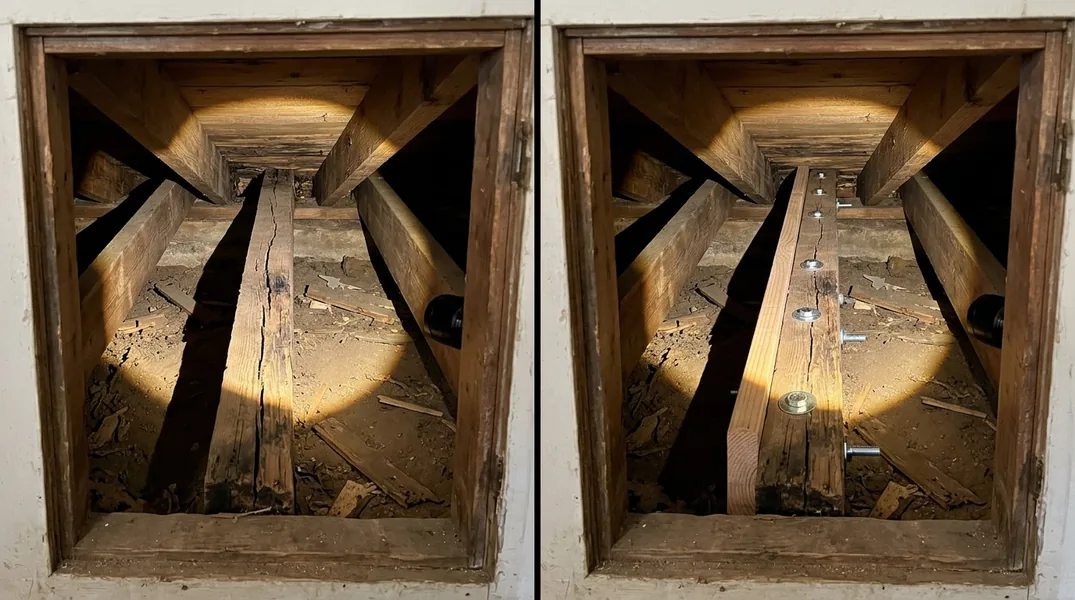
Floor Joist & Subfloor Repair typically involves one of two main approaches: sistering joists or full replacement. Sistering is a technique where a new joist is attached alongside a damaged or weakened existing joist. This reinforces the floor system without requiring complete removal of the old member. The new joist is carefully fastened with bolts and nails to create a combined structural unit that can handle the load. This method works well when the joist damage is localized or when the existing joist still has some structural integrity remaining.
In cases of severe rot, termite damage, or complete failure, full joist replacement becomes necessary. This is a more involved process that requires temporarily supporting the floor above with adjustable posts or beams, removing the damaged joist, and installing a new pressure-treated or solid wood joist in its place. The new joist must be properly sized to match the original and secured to the beam and rim board with appropriate fasteners. Both methods require precision work and a thorough understanding of load calculations and building codes. This is why professional assessment is critical before any repair work begins.
Sagging Floor Repair Cost in Stockton: What to Budget
The pricing for sagging floor repair varies widely depending on the underlying cause and scope of work needed. A simple sistering project on one or two joists might cost between $1,500 and $3,500, while more extensive repairs involving multiple joists, beam work, or foundation issues can easily exceed $10,000 or more. If Wood Rot & Dry Rot Repair is involved, additional costs for moisture remediation, crawl space encapsulation, or ventilation improvements may apply. The key variable is how much of the structural system has been compromised and whether the damage is localized or widespread.
Foundation-related sagging often requires consultation with a structural engineer and may involve underpinning, pier installation, or Beam Replacement & Load-Bearing Wall Removal work, which pushes costs into the $15,000 to $30,000+ range. The only way to know what your specific repair will cost is to have a qualified carpenter or structural specialist inspect the problem. Stockton Carpentry offers a thorough evaluation to identify all issues and provide an accurate free estimate tailored to your home's needs.
Why Professional Floor Joist Repair Near Me Matters
Attempting to repair sagging floors yourself or hiring an inexperienced contractor can lead to catastrophic results. Improper sistering, undersized replacement joists, or failure to address the root cause means the floor will continue to sag or fail completely. In worst-case scenarios, a poorly executed repair can actually make the problem worse by shifting loads to other compromised members. Professional carpenters understand building codes, load calculations, and the specific challenges of older home construction. They also know how to work safely in crawl spaces and coordinate with other trades when necessary.
Stockton Carpentry has years of experience repairing sagging floors in older homes throughout the region. Our team identifies not just the sagging, but why it's happening. We develop a repair plan that addresses the root cause and restores structural integrity. Whether the issue is rot, termites, failed beams, or foundation movement, we have the expertise and equipment to do it right. If you've noticed your floors are sloping, bouncing, or sagging, don't wait. Call us today at (209) 299-0281 or request a free estimate to get your home back on solid ground.
Signs Your Sagging Floor Needs Immediate Attention
Not all sagging floors are created equal, but certain warning signs indicate urgency. If you notice visible gaps between the floor and baseboards, doors that no longer close properly, or a noticeable slope when you walk across a room, structural failure is already underway. Soft or spongy floors suggest active wood rot or termite damage. Squeaking, bouncing, or movement underfoot are also red flags that the support system is compromised. The longer these conditions persist, the more expensive the repair becomes and the greater the risk to your family's safety.
Some homeowners mistakenly believe sagging floors are just part of owning an older home. While minor settlement over decades is normal, progressive sagging indicates active damage that requires intervention. The cost of ignoring the problem far exceeds the cost of early repair. What might be a $3,000 sistering job today could become a $20,000 structural overhaul if left unchecked for another year or two. If you're concerned about your floors, reach out to Stockton Carpentry at (209) 299-0281 for a professional assessment and honest advice about what your home actually needs.
Looking for a professional carpentry contractor in Stockton? Stockton Carpentry responds fast for all your carpentry needs.
Get a Free QuoteOur services: Wood Rot & Dry Rot Repair · Termite Damage Repair · Floor Joist & Subfloor Repair