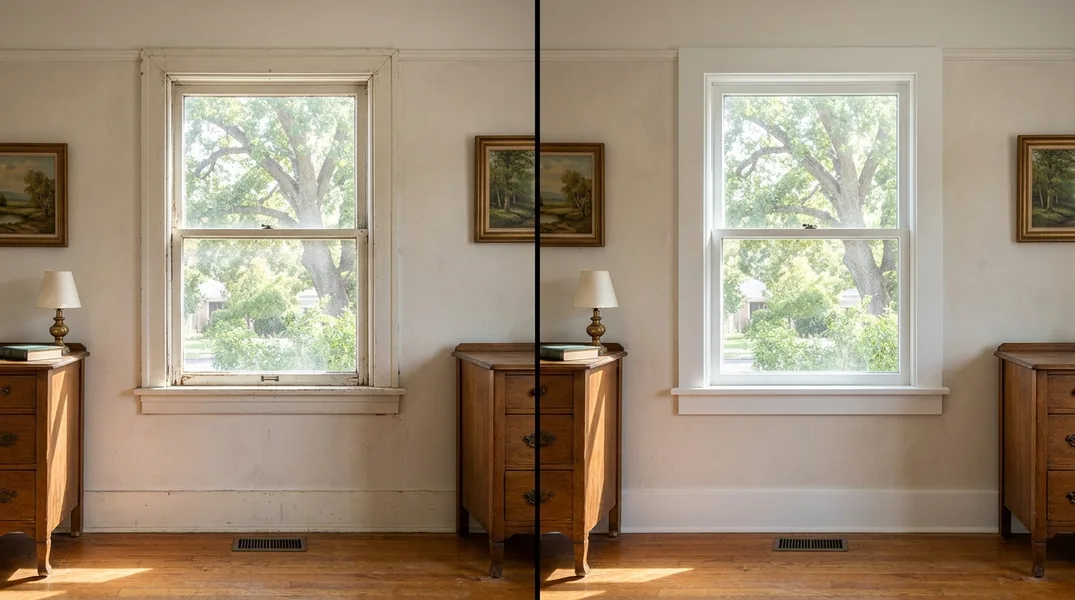
Why Victorian and Craftsman Homes Demand Different Maintenance
Owning a Victorian or Craftsman home in Stockton is a privilege that comes with real responsibility. These architectural treasures, whether nestled in the Magnolia District or the charming streets of Tuxedo Park, were built with materials and methods that differ significantly from modern construction. The ornate detailing, solid wood framing, and natural materials that make these homes beautiful also require a deeper understanding of maintenance and repair.
Unlike contemporary homes built with engineered materials and synthetic sealants, Victorian and Craftsman structures rely on proper ventilation, quality paint systems, and regular inspections to stay healthy. The wood used in these homes was often old-growth timber with different moisture characteristics than today's lumber. This means that generic maintenance advice won't cut it. Your 1920s Craftsman bungalow or 1890s Victorian needs a tailored approach to wood siding repair, foundation care, and structural preservation that respects both its age and its integrity.
Understanding Wood Siding Repair in Historic Homes
The wood siding on your historic Stockton home is not just aesthetic; it's a critical defense against weather and moisture. Victorian homes often feature narrow lap siding or shiplap, while Craftsman homes typically showcase wider boards, sometimes with decorative shingles in the gable ends. Both styles are vulnerable to the same enemy: water infiltration. When water breaches your siding, it doesn't just cause surface damage; it travels into the framing behind the boards, where it can trigger Wood Rot & Dry Rot Repair issues that compromise your home's structural integrity.
Proper wood siding repair goes beyond patching or repainting. It requires understanding the original construction methods, identifying the root cause of damage, and using materials that are compatible with the existing structure. Caulking gaps, replacing damaged boards with matching wood species, and maintaining a quality exterior finish are all part of a comprehensive strategy. Many homeowners make the mistake of using modern vinyl or composite repairs on historic wood siding, which can trap moisture and accelerate decay. The honest approach is to work with materials and techniques that honor your home's original construction while providing lasting protection.
The Hidden Threat: Dry Rot and Wet Rot in Older Homes
Dry rot and wet rot are terms that strike fear in the hearts of historic home owners, and for good reason. These fungal conditions can silently compromise the structural skeleton of your Victorian or Craftsman home. Wet rot typically develops where moisture is actively present, such as around poorly sealed windows, in basement areas, or where gutters overflow. Dry rot, despite its name, still requires moisture to start; it's called 'dry' because the fungus can spread through apparently dry wood, making it harder to detect and more dangerous if left unchecked.
The challenge with historic homes is that their construction often included cavities, hidden spaces, and materials that are particularly susceptible to fungal growth. A small leak in your roof or a failed caulk joint around a window can go unnoticed for months or years, allowing rot to establish itself deep within the framing. By the time visible signs appear, the damage may be extensive. This is why proactive inspection is essential. If you notice soft wood, discoloration, or a musty smell in any area of your home, professional Wood Rot & Dry Rot Repair assessment is not a luxury; it's a necessity to protect your investment.
Historic Home Maintenance Stockton: A Year-Round Checklist
Maintaining a historic home is an ongoing commitment, not a one-time project. Stockton's climate, with its hot, dry summers and occasional winter moisture, creates specific challenges for Victorian and Craftsman homes. Spring is the ideal time to inspect your roof, gutters, and downspouts. Make sure gutters are clean and directing water at least 4 to 6 feet away from your foundation. Check all exterior caulking around windows and doors, and look for any signs of paint failure or wood exposure.
Summer heat can cause wood to expand and contract, potentially opening small gaps in siding and trim. Walk around your home and look for any areas where water might have a pathway inside. Fall is critical for preparing your home for winter moisture; clean gutters again, trim tree branches away from the roof, and inspect the foundation for any new cracks or signs of settling. Winter inspection focuses on monitoring for water intrusion, especially after heavy rains. Inside your home, check attics, basements, and crawl spaces for any signs of moisture, mold, or pest activity. This disciplined approach catches problems early, when repairs are simpler and less expensive than waiting for major structural damage to develop.
When Professional Victorian Home Repair is Essential
Some maintenance tasks are DIY-friendly, but Victorian and Craftsman home repair often requires professional expertise. Structural issues, foundation problems, and extensive wood damage should never be handled by inexperienced hands. If you discover soft wood, active rot, or signs of Termite Damage Repair needs, the time to call a specialist has arrived. Additionally, if you're planning to remove walls, replace beams, or undertake any work that affects the home's structural load-bearing capacity, you'll need a professional who understands both the original construction and modern building codes.
Stockton Carpentry specializes in the unique challenges that historic homes present. Whether you're dealing with failing siding, suspected rot in hidden framing, or structural concerns that need assessment, professional evaluation protects your home and your wallet. A skilled carpenter can often preserve original materials and details while addressing the underlying problems that caused the damage. Don't hesitate to reach out for a free estimate if you have concerns about your home's condition. You can also call us at (209) 299-0281 to discuss your specific situation.
Protecting Your Investment: Long-Term Strategies for Historic Homes
Owning a historic home is a commitment to preservation and stewardship. The good news is that with proper maintenance, these homes can last for generations. The key is understanding that prevention is far less expensive than repair. Maintaining a quality exterior paint system, keeping gutters and downspouts functioning properly, ensuring good ventilation in attics and crawl spaces, and addressing small problems before they become big ones are the cornerstones of long-term preservation.
Consider creating a maintenance log for your home, documenting inspections, repairs, and any professional assessments you've had done. This record becomes invaluable if you ever sell the property or need to explain your home's condition to contractors. If you're uncertain about any aspect of your home's maintenance or if you've discovered damage that concerns you, Stockton Carpentry is here to help. Our team understands the character and construction of Stockton's historic neighborhoods, and we're committed to helping you preserve your home's beauty and integrity for years to come. Contact us today at (209) 299-0281 or visit our website to learn more about our services and get started with a professional assessment of your Victorian or Craftsman home.
Looking for a professional carpentry contractor in Stockton? Stockton Carpentry responds fast for all your carpentry needs.
Get a Free QuoteOur services: Wood Rot & Dry Rot Repair · Termite Damage Repair · Floor Joist & Subfloor Repair